Transferring colleges can offer a student athlete a fresh start, a different academic path, or a better athletic fit. However, the decision involves more than finding another team. Before making a move, understand how transferring could affect your education, eligibility, finances, and overall college experience.
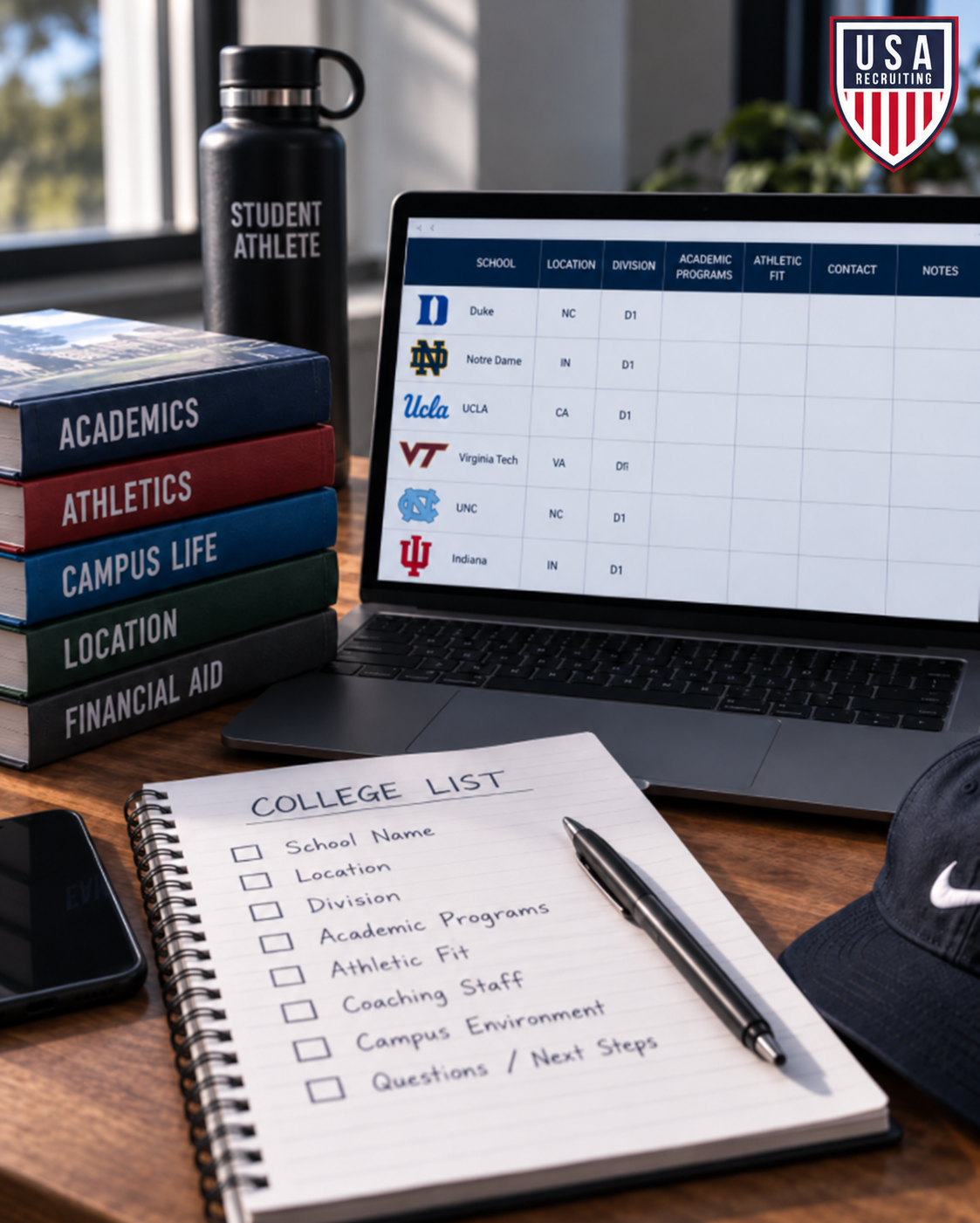
Understand why you want to transfer. Start by identifying what is missing from your current situation. Are you looking for a different major, a school closer to home, a more affordable education, or another athletic opportunity? Knowing your reasons will help you evaluate potential schools more carefully.
If your concerns involve playing time or your role on the team, consider an honest conversation with your current coach. Ask about expectations and opportunities for improvement. Transferring may be the right choice, but a new school does not automatically guarantee a starting position or a better experience.
Learn the rules before contacting other programs. Transfer requirements depend on your current school, intended destination, athletic association, division, and sport. Speak with your school’s athletics compliance office or the staff member responsible for eligibility before beginning recruiting conversations elsewhere.
Ask whether your situation requires notification, permission to contact, NCAA Transfer Portal entry, or specific paperwork. Confirm any applicable deadlines or transfer windows. NCAA, NAIA, and NJCAA procedures are not interchangeable, so do not assume a teammate’s experience applies to you.
Confirm your athletic eligibility. Being admitted to another college does not automatically mean you can compete there immediately. Ask the receiving school’s compliance staff to review your academic and athletic history, including previous enrollment, competition, and any earlier transfers.
Find out how much eligibility you have remaining and what requirements you must meet before participating. Use official guidance and the receiving school’s eligibility review rather than relying only on a coach’s expectations.
Protect your academic progress. Contact the new school’s admissions office and an academic advisor to find out which credits will transfer and how they will count toward your intended degree. A course being accepted for credit does not necessarily mean it fulfills a requirement in your major.
Ask whether transferring could delay graduation or require additional semesters. Consider the time and cost involved, especially if you are changing majors. Your athletic plans should support your education rather than leave you uncertain about completing your degree.
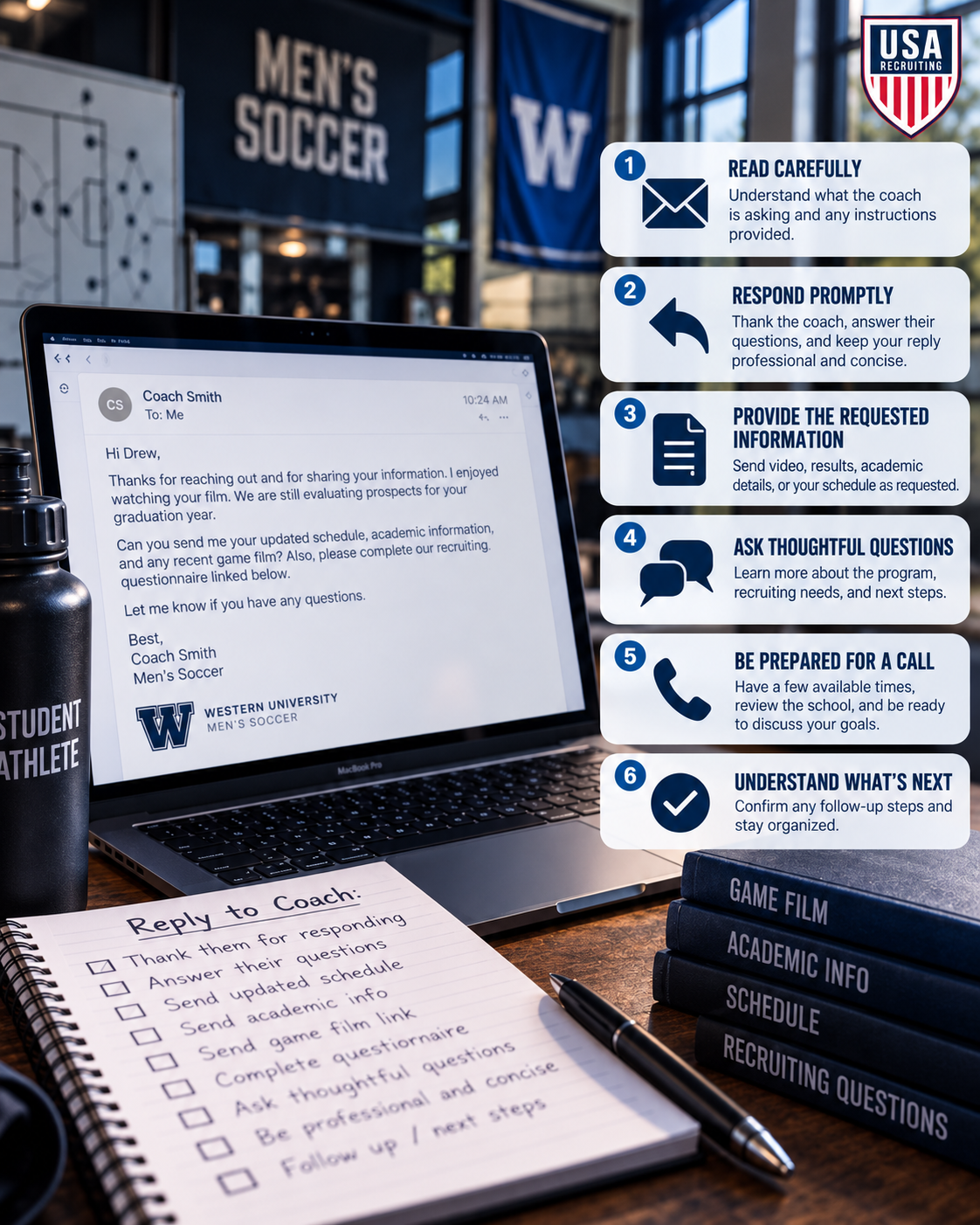
Research your next opportunity carefully. Once you are permitted to communicate with other programs, prepare updated athletic information, competition footage or results, and academic records. Explain what you are looking for and why the school interests you. Be honest about your reasons for transferring without criticizing your current coaches or teammates.+
Ask prospective coaches about their recruiting needs, expectations, and plans for your development. Learn about the team culture and, when possible, speak with current athletes. Focus on whether the new environment addresses the reasons you wanted to leave.
Review the financial details. Do not assume your current scholarship will follow you or that another school will offer the same assistance. Ask how leaving could affect your existing aid, and request written details of any new award. Compare the remaining cost, including housing, fees, and any additional time needed to graduate.
Finally, make your decision with a clear understanding of the next steps. Track admissions deadlines, transcripts, eligibility paperwork, and financial aid requirements. At Ultimate Student Athlete Recruiting, we encourage transfer students to evaluate the complete opportunity and choose a school that supports their academic, athletic, and personal goals.